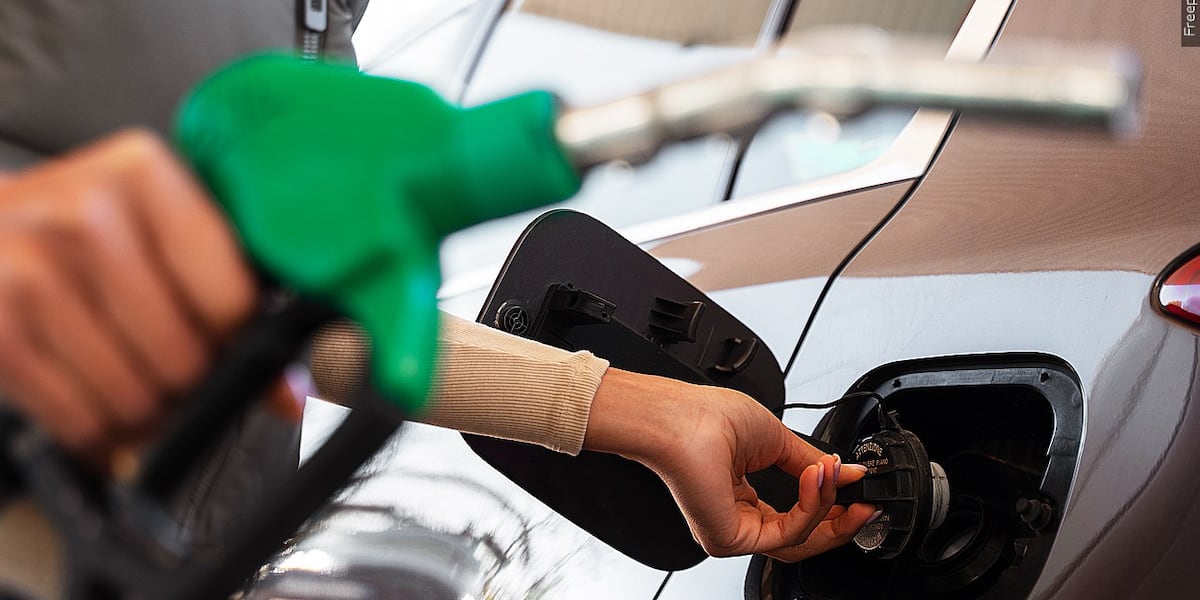
Nevada Gas Prices Jump: Seasonal Blend & Spring Break Demand Ignites Fuel Costs
Nevada motorists are noticing a distinct upward trend at the pump, as gas prices rising across the Silver State signal the arrival of a new season. While many factors contribute to the volatile nature of fuel costs, the current surge in Nevada is primarily driven by two anticipated phenomena: the annual transition to more expensive summer-blend gasoline and the heightened demand brought on by the bustling spring break travel season. However, global events continue to cast a long shadow, reminding us of the interconnectedness of local prices and international stability.
According to AAA Nevada data, the statewide average for a gallon of gas has recently climbed to $3.71, marking a seven-cent increase from the previous week. While this figure remains a welcome 13 cents lower than prices recorded at the same time last year, the trajectory is clearly upward. Drilling down, cities like Reno are experiencing even higher averages, hitting $4.17 a gallon, whereas Las Vegas sees a slightly lower but still elevated $3.70 per gallon. Understanding these dynamics is crucial for Nevadans navigating their daily commutes and planning upcoming road trips.
The Seasonal Shift: Summer-Blend Fuel & Anticipated Demand Spike
One of the most significant annual contributors to gas prices rising is the switch to summer-blend gasoline. As AAA Mountain West Group spokesperson John Treanor explains, "Refineries are beginning the process of producing summer-blend gasoline which contains pricier additives to help reduce evaporation during warmer months." These specialized additives are designed to make fuel less volatile, reducing smog-forming emissions when temperatures climb. While beneficial for the environment, the manufacturing process for summer-blend gasoline is typically more complex and costly, leading to higher prices at the refinery gate and, subsequently, at the pump.
Compounding this seasonal refinery shift is the surge in demand expected during the spring break season. As families and students hit the road for vacations and getaways, gasoline consumption naturally increases. Treanor notes, "Gas demand is also expected to increase next month as spring break season kicks off and more drivers take road trips." This predictable increase in demand, coupled with the higher production costs of summer-blend fuel, creates a perfect storm for ascending prices. While recent data from the Energy Information Administration (EIA) showed a slight dip in gasoline demand from 8.74 million barrels a day to 8.73 million, and total domestic gasoline supply decreased by a million barrels, these figures often reflect a brief lull before the anticipated spring break rush truly takes hold, promising a future uptick in consumption.
Global Tensions at the Pump: The Impact of Geopolitical Events
While seasonal factors are a primary driver for Nevada's current price increases, it's impossible to ignore the broader geopolitical landscape that consistently influences global oil markets and, by extension, our local pump prices. Recent events, such as U.S. military strikes against Iran, have sent ripples through the market, causing immediate and noticeable spikes in fuel costs. Patrick De Haan, Head of Petroleum Analysis at GasBuddy, observed a significant single-day jump of 12 cents on March 3rd alone following these strikes, calling it the "single largest single day rise in gas prices since 2022." This kind of rapid reaction underscores how sensitive oil markets are to perceived threats to supply or stability in key oil-producing regions.
History provides a compelling, if sometimes inconsistent, look at how global unrest affects fuel prices. Examining past conflicts and periods of unease reveals varied reactions:
- Israel-Hamas War (October 2023): After Hamas's attack, the average price of gas in October 2023 was $3.61. Prices then saw a decline in the subsequent months, dropping to $3.31 in November, $3.13 in December, and $3.08 in January 2024. This suggests that while immediate spikes can occur, sustained increases aren't always guaranteed, especially if supply chains remain largely unaffected.
- Afghanistan War End (August 2021): The U.S. withdrawal saw prices at $3.15 per gallon. Over the next three months, prices actually rose slightly, to $3.17 (Sept), $3.29 (Oct), and $3.39 (Nov).
- Second Iraq War Launch (March 2003): Prices edged up from $1.61 before to $1.63 immediately after, then dipped to $1.58 a month later.
- Sept. 11 Attacks (September 2001): A notable jump from $1.42 before to $1.52 immediately after, followed by a decrease to $1.31 one month later.
These historical snapshots demonstrate that while an initial reaction to conflict often involves an increase, the long-term impact on gas prices can be complex and sometimes counterintuitive, depending on the conflict's actual threat to oil supply and market speculation. For a deeper dive into how such global events shape our local pump prices, read our detailed analysis: Iran Attack & Gas Prices: What History Reveals About Future Relief.
Navigating the Surge: Practical Tips for Nevada Drivers
With gas prices rising, Nevadans are naturally looking for ways to mitigate the impact on their wallets. Here are several practical strategies to help manage fuel costs:
- Drive Smart: Aggressive driving – rapid acceleration, hard braking, and speeding – significantly reduces fuel efficiency. Practicing smooth acceleration and deceleration, maintaining a steady speed, and adhering to speed limits can improve your vehicle's mileage by up to 15-30% at highway speeds and 10-40% in stop-and-go traffic.
- Maintain Your Vehicle: Regular car maintenance, including keeping tires properly inflated, getting regular oil changes, and replacing air filters, can dramatically improve fuel economy. Underinflated tires alone can reduce mileage by 0.2% for every 1 PSI drop in pressure.
- Use Gas Price Apps: Tools like GasBuddy or AAA's gas price finder can help you locate the cheapest gas stations in your immediate area, often saving you several cents per gallon, which adds up over time.
- Consolidate Trips: Plan your errands to combine multiple stops into one longer trip. A warm engine is more fuel-efficient than a cold one, so frequent short trips can consume more gas than a single, longer journey.
- Reduce Weight: Remove unnecessary items from your trunk or cargo area. Every extra 100 pounds can reduce your car's MPG by about 1%.
- Consider Alternatives: For shorter distances, walking or biking can be a great option. For longer commutes, explore carpooling or public transportation where available, especially in urban centers like Las Vegas or Reno.
It's important to remember that while Nevada gas prices are climbing, the national trend can sometimes differ, influenced by a myriad of regional and global factors. For a broader perspective on how Nevada compares to other states and international markets, check out: Are Gas Prices Rising Nationwide? Comparing Local & Global Trends.
The Road Ahead: What to Expect
As Nevada fully transitions into warmer weather and the spring break travel season picks up momentum, the trend of gas prices rising is likely to continue for the foreseeable future. The combined pressures of summer-blend fuel production costs and increased consumer demand are formidable. While global conflicts add an unpredictable layer of volatility, historical data suggests that immediate spikes don't always translate into sustained long-term increases, especially if the fundamental supply of crude oil remains stable.
For Nevada drivers, staying informed and adopting fuel-efficient habits will be key to managing transportation costs in the coming months. While we can't control international markets or refinery production, smart driving choices and proactive planning can certainly help soften the blow at the pump.