The Unpredictable Pump: Understanding Why Gas Prices Are Rising Amidst Geopolitical Tensions and Seasonal Shifts
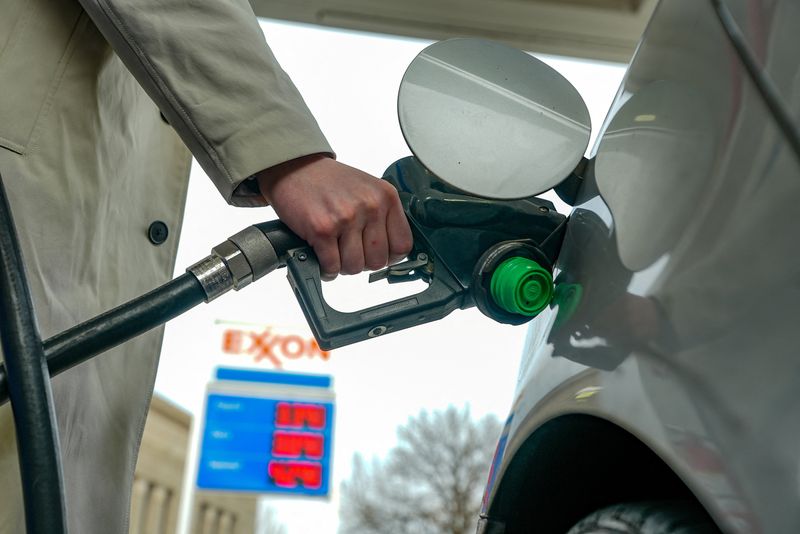
Drivers across the nation are once again facing the unwelcome sight of gas prices rising at the pump. This current upward trend is a complex mix of global geopolitical unrest, particularly recent events involving Iran, and predictable seasonal factors that impact fuel markets every year. While immediate reactions to international conflicts can send shockwaves through the energy sector, history reveals a nuanced picture regarding long-term impacts. What truly drives these fluctuations, and when can consumers expect potential relief?
The Immediate Impact: Iran Attack Fuels Jumps at the Pump
The global energy landscape is intricately linked to geopolitical stability, and recent military strikes involving the United States, Israel, and Iran have sent ripples of uncertainty through the market. Following these developments, gas prices experienced an immediate and significant surge. According to Patrick De Haan, Head of Petroleum Analysis at GasBuddy, the average price of gas witnessed a sharp 12-cent jump on a single day in early March, marking the largest daily increase since 2022. This immediate reaction underscores how swiftly global events, especially those in the oil-rich Middle East, can influence fuel costs.
The fear of supply disruptions, even if not immediately realized, often triggers a "risk premium" in oil prices. Traders react to potential instability, pushing crude oil benchmarks higher. Since crude oil accounts for a significant portion of the cost of gasoline, these increases are quickly passed on to consumers. While the direct impact on oil supply from these specific events might be limited, the heightened tension in a critical region for global energy flow is enough to prompt a knee-jerk reaction from the market, explaining why gas prices are rising seemingly overnight.
Decoding Domestic Factors: Seasonal Blends & Spring Break Demand
Beyond international headlines, several domestic factors are also contributing to the current climb in fuel costs. One of the most significant is the annual transition to summer-blend gasoline. Refineries are currently undertaking the complex and costly process of producing this specific fuel, which contains pricier additives designed to reduce evaporation during warmer months and meet stricter environmental standards. This switch inherently leads to higher production costs, which are then reflected in the prices consumers pay.
Take Nevada, for example. The Silver State is currently experiencing a noticeable seasonal rise, with the statewide average climbing to $3.71 per gallon – a seven-cent increase in a single week. While this is still 13 cents lower than this time last year, cities like Reno are seeing averages as high as $4.17, with Las Vegas at $3.70. AAA Mountain West Group spokesperson John Treanor highlights not only the summer-blend shift but also the anticipated surge in demand. "Gas demand is also expected to increase next month as spring break season kicks off and more drivers take road trips," Treanor noted. Despite a slight dip in overall gasoline demand recently, from 8.74 million to 8.73 million barrels per day, total domestic supply also saw a notable reduction, further tightening the market. This combination of costly production changes and an expected spike in travel demand is a powerful force behind gas prices rising across many regions.
A Look Back: What Past Conflicts Reveal About Gas Price Trends
When considering the current situation, many drivers naturally look to history for clues about future relief. However, the data reveals that gas prices have reacted quite diversely to past global conflicts and moments of unrest, making definitive predictions challenging. It’s a testament to the complex interplay of perceived threats, actual supply disruptions, and market psychology.
- The Israel-Hamas War (October 2023): Following the initial attacks, the average price of gas was $3.61. Surprisingly, over the next three months, prices steadily declined, reaching $3.31 in November, $3.13 in December, and $3.08 by January 2024. This suggests that while initial market anxiety was present, it didn't translate into sustained higher prices, possibly because the conflict didn't immediately threaten major oil shipping lanes or production capacities in a sustained way.
- End of the Afghanistan War (August 2021): In contrast, the U.S. withdrawal from Afghanistan, which marked the end of a long conflict, saw the average price of gas at $3.15. In the subsequent three months, prices actually rose, hitting $3.17 in September, $3.29 in October, and $3.39 in November. This period might reflect broader post-pandemic demand recovery and inflationary pressures rather than a direct war-related impact.
- Other Historical Unrest: Varied Reactions:
- Second Iraq War Launch (March 2003): Prices saw a small bump from $1.61 to $1.63 immediately after, but then settled lower at $1.58 one month later.
- September 11 Attacks (September 2001): A similar pattern emerged, with prices rising from $1.42 to $1.52, only to fall significantly to $1.31 a month later.
- Oklahoma City Bombing (April 1995): This domestic tragedy saw prices tick up from $1.07 to $1.11, then further to $1.17.
- World Trade Center Bombing (February 1993): Prices remained largely stable, moving from $1.06 to $1.05 immediately after and staying at $1.05 a month later.
- First Iraq War Launch (August 1990): Here, prices notably increased, from an unavailable baseline to $1.26 in September and $1.34 a month later, indicating a more direct and sustained impact.
What these historical snapshots reveal is that the market's reaction isn't monolithic. Conflicts that directly threaten major oil-producing regions or shipping routes, like the First Iraq War, tend to have a more pronounced and lasting effect on gas prices. Localized events or those perceived as less directly impactful on global supply might generate initial fear-driven spikes, but prices often stabilize or even fall as markets re-evaluate the actual risk to supply. Therefore, while current geopolitical events contribute to gas prices rising, their long-term trajectory is influenced by much more than just the headlines of the day.
Navigating the Uncertainty: Tips for Drivers Amidst Rising Gas Prices
Given the dual pressures of global instability and seasonal demand, many drivers are seeking ways to mitigate the impact of gas prices rising. While external factors are beyond individual control, several practical strategies can help you save at the pump:
- Optimize Your Driving Habits: Smooth acceleration and braking, maintaining a consistent speed, and avoiding excessive idling can significantly improve fuel efficiency. Aggressive driving can reduce your mileage by 15% to 30% at highway speeds and 10% to 40% in stop-and-go traffic.
- Keep Your Vehicle Maintained: Regular tune-ups, ensuring tires are properly inflated, and using the manufacturer's recommended motor oil can all contribute to better fuel economy. A clean air filter alone can improve mileage by up to 10%.
- Plan Your Routes: Combine errands into a single trip, and use navigation apps to find the most efficient routes, avoiding traffic jams and unnecessary detours.
- Shop Around for Gas: Utilize gas price tracking apps like GasBuddy or AAA to find the lowest prices in your area. Even a few cents per gallon can add up over time.
- Consider Membership Programs: Many grocery stores and warehouse clubs offer fuel discounts to members, which can provide substantial savings over time.
- Lighten Your Load: Remove unnecessary items from your trunk or back seat. Extra weight reduces fuel efficiency. Similarly, remove roof racks or cargo carriers when not in use, as they create aerodynamic drag.
Conclusion
The current landscape of gas prices rising is a complex interplay of global geopolitics and seasonal market dynamics. While the recent Iran-related military strikes have undeniably contributed to immediate price surges, history suggests that the long-term impact of such events can be unpredictable, often depending on whether actual oil supply is significantly disrupted. Meanwhile, the domestic shift to summer-blend gasoline and the approaching spring break travel season are reliably pushing costs higher. For consumers, staying informed about these contributing factors and adopting fuel-saving habits remains the most effective way to navigate the uncertainty at the pump and find some relief amidst the fluctuating prices.